
When’s the last time you actually “saw” your content marketing strategy?
Not just the blogs, videos, and LinkedIn posts themselves, but the system behind them.
Imagine that you were looking at your entire content approach like you might look at an architectural blueprint or software schematic.
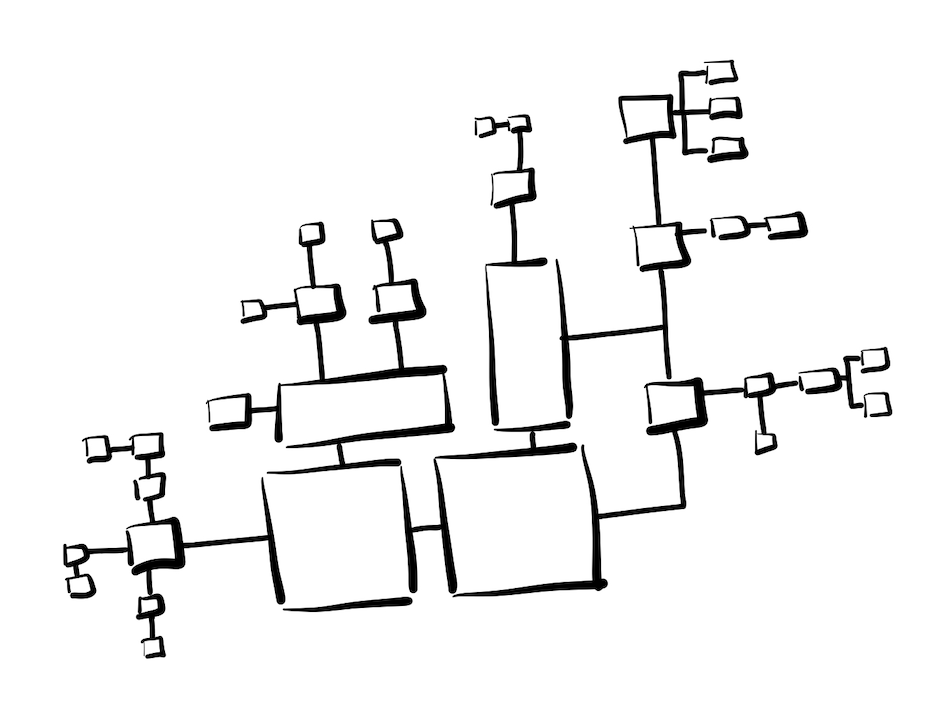
There it is, up on the whiteboard for everyone to see. The complete system with all the moving pieces. No silos. No blind spots. Just a big, beautiful diagram that maps out all the moving pieces and how they work together to help drive revenue.
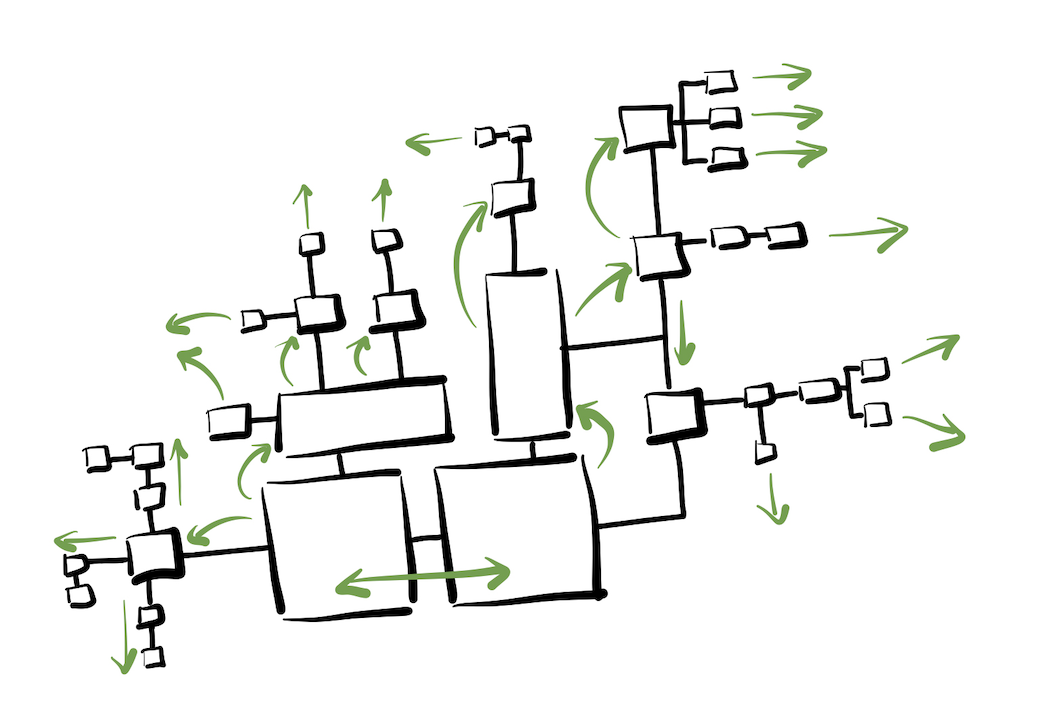
In my last post, we talked about fixing the weak spots in your content marketing by focusing on the Leverage Points “…where a little bit of effort yields disproportionate returns.” (Dan Heath, Reset: How to Change What’s Not Working)
One way to find those weak spots and Leverage Points is to “go and see the work.”
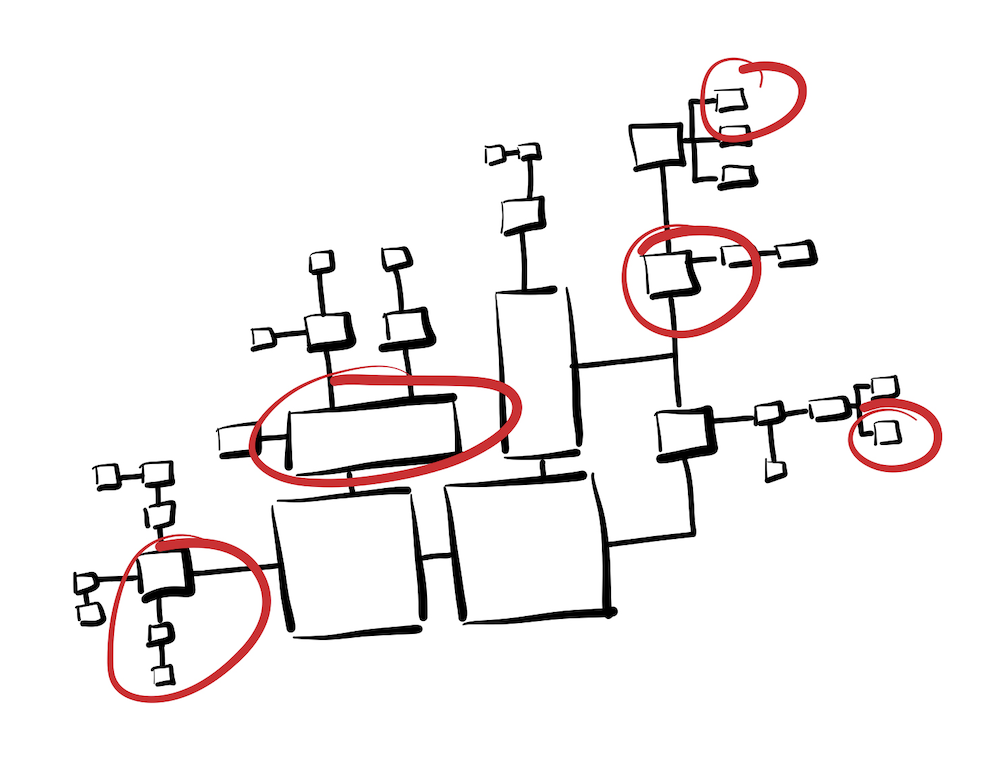
How did those weak spots get there to begin with?
They may have been put there on purpose. Solutions to past problems that became embedded into the system. The status quo. The answer to “how we do things around here.”
- 12 years ago, someone decided that long-form content should be gated, and it stuck
- Eight years ago, someone decided that 75% of the company’s LinkedIn posts should be “thought leadership videos from the CEO,” and it stuck
- Two years ago, someone decided that every first draft of an article or social media post should be written by an LLM, and it stuck
Are gated content, talking head videos, and LLM-sourced articles effective?
Maybe, maybe not.
But whether they still (or ever) worked, these approaches become ingrained in the content strategy. Leftovers from individual preferences and marketing trends that may no longer be relevant.
Go and see the work. And then ask yourself if doing everything the same way still makes sense.


Leave a Reply